Machine polishing · Mesa, AZ
Paint Correction in Mesa, AZ
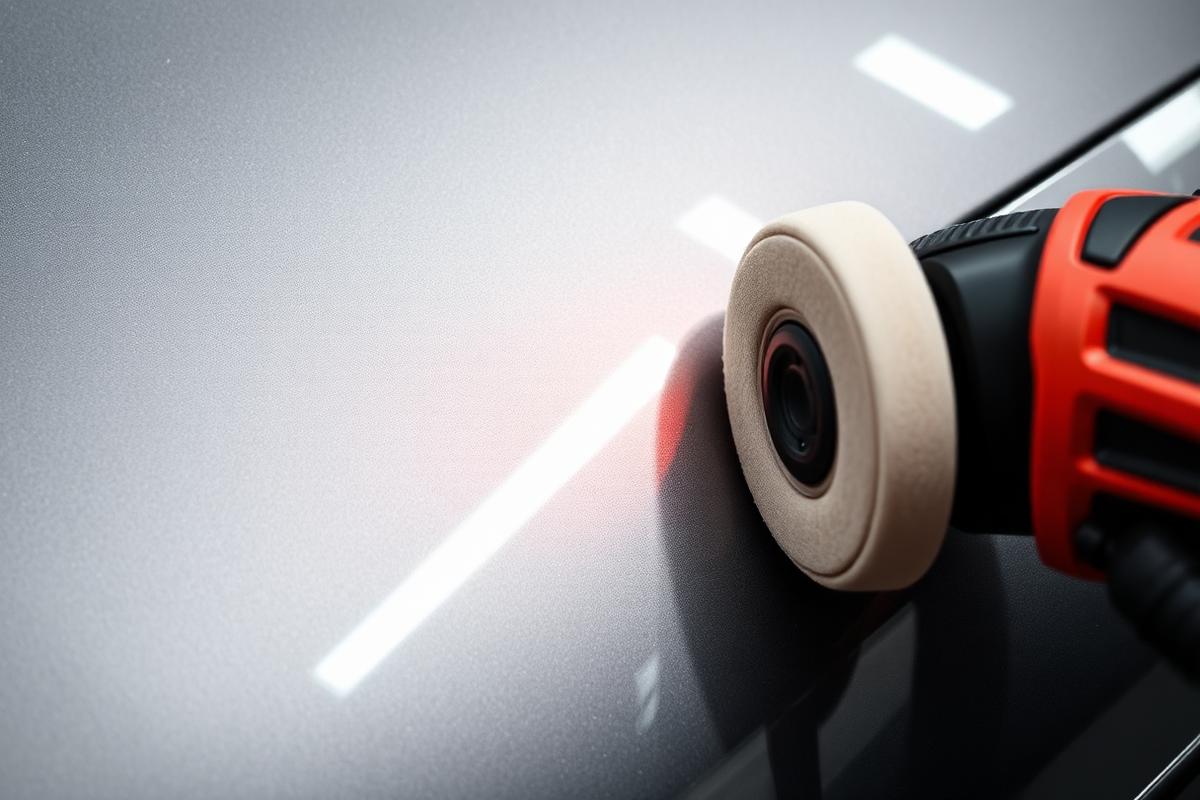
Paint correction is machine polishing that works on defects in the clear coat rather than temporarily filling them. Swirl marks, haze, light scratching, water spot etching and sun-related oxidation are often correctable to some degree — how much depends on how deep the defect is, how much clear coat is available, and what the paint has already been through.
It is a different process from a quick wax or a spray-on "buff," both of which mask minor imperfections rather than reducing them. Correction is inspected, tested, and stopped at the point that is safe for the vehicle's remaining clear coat.
- Swirl marks, haze and oxidation
- Light scratching and water spot etching
- Paint inspected before any pad touches it
- Honest limits stated up front
Correction vs polishing vs "buffing"
These terms get used loosely and interchangeably, which causes most of the confusion around what correction actually involves. "Buffing" is a generic word people use for any machine work on paint, with no implication of care, inspection or a defined outcome. "Polishing" usually refers to a single-stage pass meant to restore gloss and remove light imperfections.
"Paint correction" is the more deliberate version of the same physical process: inspecting the paint under strong lighting, testing a section, choosing pad-and-product combinations based on what that test reveals, and working in stages when the defects justify it — always measured against how much clear coat is actually available to work with.
What we're correcting
- Swirl marks — fine circular scratching from dry wiping, brush tunnels and dirty wash media. The spiderweb halo you see in direct sun.
- Oxidation — clear coat degraded by UV. Chalky, flat panels, worst on roofs, hoods and trunk lids on outdoor-parked vehicles.
- Haze and dullness — a general loss of reflection clarity, usually a combination of the two above.
- Water spot etching — mineral deposits that were left to bake and cut into the surface: more on this.
- Marring — very light, shallow scuffing often introduced during a wash, distinct from deeper swirl patterns and usually the easiest defect to improve.
- Light to moderate scratches — anything contained within the clear coat. If a fingernail catches, it has likely gone through the clear and polishing will only soften its appearance rather than remove it.
What may improve vs what is too deep
Defects sitting within the clear coat layer are candidates for improvement, because polishing works by leveling the surrounding clear coat down to the depth of the defect. The deeper the defect, the more clear coat has to be removed to reach it — and clear coat is finite, so there is a real limit to how much can safely be taken.
Anything that has gone through the clear coat and into the base color or primer cannot be polished out; the material needed to level around it no longer exists. Deep scratches, chips down to metal, and sanding marks through the clear all fall into this category and need paint repair rather than correction.
How the work is decided
Before any machine touches the vehicle, the paint gets washed, decontaminated and inspected under direct lighting, because dirt hides defects and defects hide under dirt. Then we polish a test section and evaluate the result. That test tells us what a single pass will remove, what a second stage would add, and whether the clear coat has the depth to support it.
That step matters because clear coat is finite. A vehicle that has already been corrected aggressively — often at a cheap shop — has less margin left than its age suggests, and the responsible answer on those cars is a lighter approach than the owner may want, even if that means the result is only a partial improvement.
One stage or multi-stage
A one-stage polish uses a single combination of pad and product to remove light defects and restore gloss. It suits reasonably maintained paint and typically recovers a large share of the available clarity for meaningfully less work than full correction.
Multi-stage correction adds a cutting pass to remove heavier defects, followed by a refining pass to remove the micro-marring the cutting stage leaves behind. It takes considerably longer and is the right choice on neglected, heavily swirled or oxidized paint — or on a vehicle you intend to keep and coat. Background reading: what is paint correction.
Why paint condition and paint hardness change the approach
Not all clear coat behaves the same way under a polishing pad. Some manufacturers use softer clear coats that correct quickly but also mark more easily afterward; others use harder formulations that resist marring but take more work and time to correct the same defect. Paint hardness is not something that can be judged by eye — it comes out in how the test section responds.
The existing condition of the paint matters just as much as its hardness. A vehicle with a single layer of light swirling responds very differently than one with compounded years of dry wiping, automated washes and prior aggressive polishing layered on top of each other, even if both look similar at a glance in the driveway.
Why a test section matters
A test section — a small, representative area polished and evaluated before committing to a plan for the whole vehicle — is what turns correction from a guess into an informed decision. It shows the realistic ceiling for that panel's defects, confirms how the specific paint responds to a given pad and product, and surfaces problems like thin clear coat or prior heavy correction before they become a mistake spread across the entire car.
Skipping this step is one of the more common shortcuts in the industry, usually to save time, and it is also how vehicles end up with clear coat burned through on an edge or a high point that nobody checked first.
Correction and protection belong together
Freshly corrected clear coat is bare. In Mesa, bare paint under summer sun starts degrading immediately, and nothing about a polish makes the next round of dust and sprinkler water less damaging.
That is why correction is nearly always followed by protection — a sealant if you are selling soon, or a ceramic coating if you are keeping the vehicle and it parks outside. Correction determines how good the paint looks; protection determines how long it stays that way. Ongoing safe washing does the rest, which is where maintenance detailing comes in.
When correction is not the sensible move
- Lease returns. Most lease-end inspections apply normal wear allowances that a light wash and minor polish typically satisfy; full multi-stage correction rarely returns its cost on a vehicle you are handing back.
- Vehicles being sold soon at a fixed price point. A thorough wash, decontamination and light polish often improve presentation enough for the sale without the cost of full correction.
- Failing or previously over-polished clear coat. If the clear coat is already thin, cloudy or lifting, additional polishing can accelerate failure rather than improve it — this is a case for paint repair, not correction.
- Panels with unknown repaint history. Aftermarket respray work sometimes uses thinner or different clear coat than factory panels, and correcting it without knowing that first risks burning through in ways factory paint would tolerate.
Mesa sun and why timing and aftercare matter
Correction exposes fresh clear coat right at the point in its life when it has the least accumulated protection. Scheduling the work with an eye toward getting protection applied soon after — rather than leaving corrected paint bare through weeks of Arizona sun — keeps the improvement from eroding before it is even sealed in.
Outdoor-parked vehicles in Mesa also pick up oxidation and etching faster than garaged ones, which is part of why correction needs are often heavier on daily drivers that live outside than on occasionally driven, covered vehicles of the same age.
What determines cost and time
There is no fixed price for correction because the variables are the paint itself: how many stages the defects require, the vehicle's size and panel count, how hard or soft the clear coat responds during the test section, and whether prior work has already reduced the available clear coat. Two vehicles of the same make and year can need very different amounts of work depending on how they were washed and parked for the years before you owned them. The general framework behind any detailing quote in Mesa, including correction, is covered in the Mesa detailing cost guide.
Aftercare and realistic expectations
Corrected paint holds its improvement only as long as the washing habits around it stay careful. That means pH-neutral wash products, clean wash media rather than shared brushes, hand drying or blower drying rather than dragging a towel across dry paint, and avoiding automated tunnel washes with recirculated grit-laden water and stiff brushes.
It is worth setting expectations up front: correction improves the paint's condition, it does not reset it to a factory, defect-free state on every vehicle, and it does not make the paint immune to new damage. What it delivers is the best realistic result the remaining clear coat can support, verified by the test section rather than promised in advance.
Common misconceptions
- "Correction removes any scratch." Only defects within the clear coat respond to polishing; anything through it needs paint repair.
- "More stages is always better." Extra stages remove more clear coat; the right number is whatever the test section shows is needed, not the maximum available.
- "Polishing damages paint." Controlled, inspected correction removes a small, finite amount of clear coat by design — it is repeated aggressive correction over time that causes harm.
- "A coating will fix defects a polish couldn't." A coating is transparent and preserves whatever is underneath it; it does not level or remove defects on its own.
- "Buffing and correction are the same thing." "Buffing" is a casual, undefined term; correction is a tested, staged process measured against the paint's remaining clear coat.
Paint correction questions
Does paint correction remove all scratches?
How do I know if I need one stage or multiple?
Is polishing bad for my paint?
Will the swirls come back?
Should I coat the car afterward?
What's the difference between polishing and buffing?
Can water spots actually be removed?
Is correction worth it on a car I'm about to sell or return from a lease?
How long does correction take?
Related services
Protecting the finish you just paid to restore.
Exterior detailingThe decontamination that comes first.
Maintenance detailingWash habits that make correction last.
Correction explainedWhat polishing physically does.
Hard water spots in MesaWhy etching happens here specifically.
What detailing costs in MesaThe variables behind every quote.
Get paint assessedSend photos in daylight for a first read.
Get a straight answer on what your vehicle needs
Describe the vehicle and its condition and you'll get a realistic price range before anyone shows up.